Every year, workers suffer serious injuries—some fatal—because machinery was accidentally energized during maintenance. The root cause? A missing or poorly executed lockout tagout (LOTO) safety toolbox talk. These brief, focused safety meetings aren’t just administrative checkboxes. They’re frontline defenses that keep maintenance crews alive when working on live systems.
A well-run LOTO toolbox talk transforms abstract safety policies into actionable awareness. It’s where workers mentally rehearse isolation procedures, confirm accountability, and voice concerns before touching a single bolt or wire. If your team skips these talks—or treats them as routine formalities—you're gambling with human lives.
Let’s break down exactly how to make your LOTO toolbox talks meaningful, compliant, and effective.
Why LOTO Toolbox Talks Matter More Than You Think
Lockout tagout is a procedural safeguard designed to isolate hazardous energy sources before maintenance or servicing. But knowing the procedure isn’t enough. Workers must understand it in context—on that day, for that machine, with that team.
That’s where the toolbox talk comes in.
Unlike annual safety training, a toolbox talk is situational. It’s short—typically 10 to 15 minutes—but high-impact. It forces real-time communication about real risks. For example, a conveyor system may have multiple energy sources: electrical, hydraulic, and mechanical tension. A toolbox talk ensures everyone recognizes all sources, not just the obvious ones.
Consider this scenario: A technician begins servicing a packaging machine. The main disconnect is locked out, but residual pressure remains in a pneumatic line. Without a pre-job discussion highlighting stored energy risks, a sudden release could cause crushing or laceration injuries. A proper LOTO toolbox talk includes verification of zero energy—not assumption.
These talks also reinforce accountability. Each employee involved should know: - Who applied their lock? - What energy sources were isolated? - How will they verify de-energization?
When assumptions replace dialogue, accidents happen.
Anatomy of an Effective LOTO Toolbox Talk
A high-impact toolbox talk follows a clear structure. Random discussions lack focus and compliance value. Use this framework to keep every session sharp and useful.
#### 1. Identify the Equipment and Task Start by naming the machine or system involved and the specific maintenance activity. Generalizations like “working on the press” aren’t enough. Be specific: “Replacing the die on Line 3 hydraulic press.”
#### 2. Review Energy Sources List all potential energy types: electrical, pneumatic, hydraulic, gravitational, thermal, chemical. For each, confirm isolation methods. Example: - Electrical: Main disconnect locked at 480V panel - Hydraulic: Pressure bled, reservoir drained - Mechanical: Spring tension released
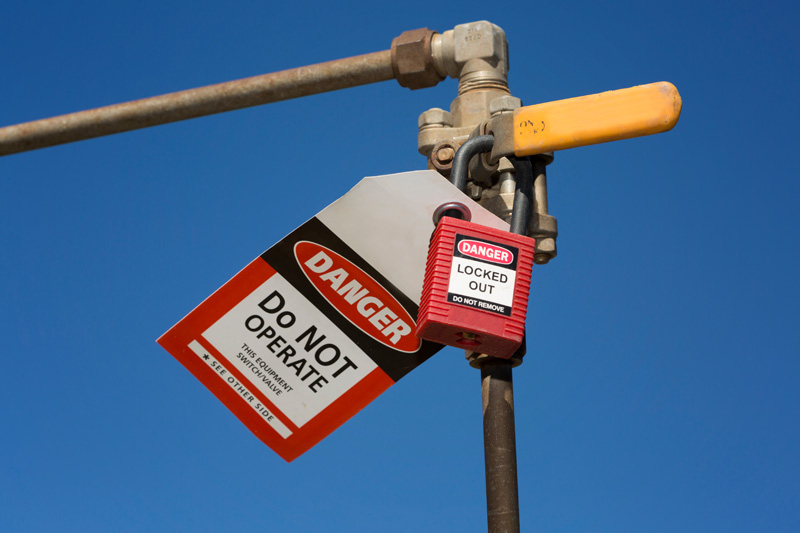
#### 3. Confirm LOTO Devices and Placement Verify the correct locks and tags are used. Each authorized employee applies their own lock. Group lockout boxes are acceptable only when procedures define them clearly.
#### 4. Demonstrate Verification Emphasize that “off” isn’t “safe.” Verification means testing—using a multimeter, checking pressure gauges, or attempting to operate the machine after isolation.

#### 5. Address Exceptions and Challenges What if a part can’t be fully de-energized? What if two teams are working on the same system? Use the talk to surface and resolve these issues before work begins.
#### 6. Confirm Communication Plan How will workers signal completion? Who removes locks? What if a worker leaves before finishing? Clarify chain-of-command and handoff procedures.
Common Mistakes That Undermine LOTO Talks
Even experienced teams make preventable errors. Recognizing these pitfalls is half the battle.
Mistake 1: One-size-fits-all discussions Using the same script for every machine breeds complacency. A CNC mill has different hazards than a boiler system. Customize each talk.
Mistake 2: Skipping verification steps Saying “power is off” without testing invites disaster. Always demonstrate or confirm zero energy state.
Mistake 3: Only involving supervisors Frontline workers often spot overlooked risks. Include everyone on the job in the discussion.
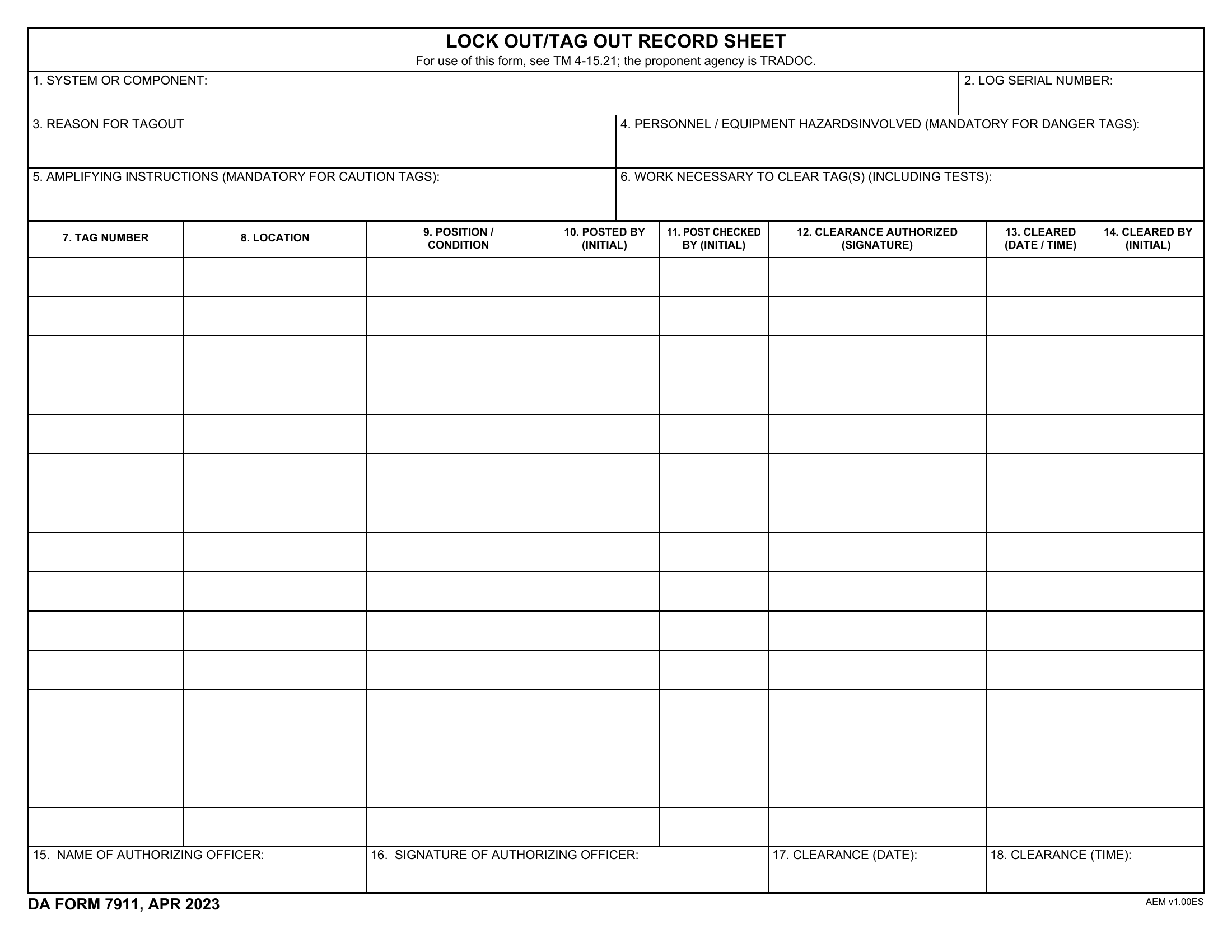
Mistake 4: No documentation While not always legally required, recording attendance and topics covered strengthens accountability and audit readiness.
Mistake 5: Rushing through the talk If it’s done while walking to the machine or during shift change, it’s not effective. Schedule time and space for focus.
Real-World Use Cases: How LOTO Talks Prevent Accidents
Case 1: Preventing Stored Energy Release in a Food Processing Plant A maintenance team prepared to clean a large mixer. During the toolbox talk, a junior technician asked, “Was the agitator arm secured against drop?” The team realized they’d isolated electricity but not mechanical tension. They added a support pin—avoiding a potential crush injury.
Case 2: Avoiding Miscommunication in a Multi-Craft Job Electricians and mechanics were working simultaneously on a production line. The talk revealed conflicting lockout points. The team agreed on a single energy control plan using a group lockbox, ensuring synchronized re-energization.
Case 3: Handling Shift Changeover A worker applied a lock before leaving for vacation. The next shift assumed the machine was ready to run. A daily LOTO talk policy ensured locks were checked, and the absence was flagged, preventing unauthorized startup.
These examples show that the real power of a toolbox talk isn’t in compliance—it’s in opening a channel for team-based risk assessment.
Integrating LOTO Talks Into Daily Workflow For lasting impact, LOTO toolbox talks must be embedded in routine—not treated as exceptions.
Schedule them consistently Conduct talks immediately before non-routine maintenance. Make them part of the work permit process.
Empower authorized employees to lead Supervisors don’t have to run every session. Rotate facilitation to build ownership and engagement.
Use visual aids Bring LOTO procedure diagrams, photos of correct lock placement, or even a sample lock and tag. Visuals boost retention.
Reinforce with audits Randomly observe talks. Are they thorough? Inclusive? Document findings and provide feedback.
Link to broader safety culture Tie LOTO discussions into near-miss reporting and safety stand-downs. Let workers see how their input shapes policy.
Tools and Resources to Support LOTO Toolbox Talks
While the talk itself is human-driven, supporting tools improve consistency and retention.
| Tool | Purpose | Best For |
|---|---|---|
| LOTO Procedure Checklists | Step-by-step isolation guidance | Standardizing complex shutdowns |
| Digital Toolbox Talk Apps | Record attendance, topics, photos | Tracking compliance across teams |
| Lockout Tagout Training Kits | Includes demo locks, tags, templates | Onboarding new technicians |
| Energy Source Identification Tags | Color-coded labels on machines | Quick visual reference |
| Multimeters with Voltage Testers | Verification tools | Confirming de-energization |
Choose tools that fit your operational scale. A small workshop may only need printed checklists, while a manufacturing plant benefits from digital tracking.
Legal and Compliance Implications
OSHA standard 29 CFR 1910.147 mandates a formal energy control program, including employee training and periodic inspections. While OSHA doesn’t require every LOTO event to be preceded by a documented toolbox talk, the agency expects effective communication before servicing equipment.
In enforcement actions, OSHA investigates whether: - Workers understood the hazards - Proper procedures were followed - Team communication occurred
A documented toolbox talk serves as strong evidence of due diligence. In one case, a company avoided citations after an incident because signed talk records proved workers had reviewed isolation steps just hours before.
Remember: Compliance isn’t about paperwork—it’s about proving that safety was actively managed.
Making LOTO Talks Stick: Beyond the Script
The best toolbox talks don’t just inform—they engage.
Ask open-ended questions: - “What’s the first thing you’ll verify?” - “Have you seen this machine behave unexpectedly before?”
Encourage stories: Invite workers to share past close calls. Real experiences resonate more than theoretical risks.
Challenge assumptions: “What if the lock fails? What’s our backup?”
When workers contribute, they take ownership. That shift—from passive listener to active participant—is where real safety culture grows.
Act Now: Turn Awareness Into Action
A lockout tagout safety toolbox talk should never be a formality. It’s a critical intervention—small in duration, massive in consequence. Tomorrow’s injury could be prevented by today’s 10-minute conversation.
Start tomorrow’s maintenance shift with a focused LOTO talk. Customize it. Include the team. Verify every step. Document it. Repeat.
Because when the power comes back on, everyone should still be standing.
FAQ
What should be included in a LOTO toolbox talk? Cover the equipment, energy sources, isolation methods, verification steps, roles, and communication plan. Tailor it to the specific job.
Who should lead a LOTO toolbox talk? An authorized employee familiar with the machine and LOTO procedure—often a supervisor or lead technician.
How long should a LOTO toolbox talk last? Typically 10 to 15 minutes. It should be long enough to cover risks thoroughly, but short enough to maintain focus.
Do you need to document every LOTO toolbox talk? OSHA doesn’t require documentation for each talk, but keeping records strengthens compliance and accountability.
Can a LOTO toolbox talk be done remotely? Only if all workers are present and engaged. For on-site maintenance, in-person talks are strongly recommended.
What’s the difference between a toolbox talk and LOTO training? Training is formal and periodic; a toolbox talk is informal, job-specific, and conducted before work begins.
How often should LOTO toolbox talks occur? Before every servicing or maintenance activity involving hazardous energy—not on a fixed schedule.
FAQ
What should you look for in Lockout Tagout Safety Toolbox Talk Essentials? Focus on relevance, practical value, and how well the solution matches real user intent.
Is Lockout Tagout Safety Toolbox Talk Essentials suitable for beginners? That depends on the workflow, but a clear step-by-step approach usually makes it easier to start.
How do you compare options around Lockout Tagout Safety Toolbox Talk Essentials? Compare features, trust signals, limitations, pricing, and ease of implementation.
What mistakes should you avoid? Avoid generic choices, weak validation, and decisions based only on marketing claims.
What is the next best step? Shortlist the most relevant options, validate them quickly, and refine from real-world results.